
Solar panels
Regardless whether you are a private home owner, a manufacturing company, commercial business or an agriculture farm, installing solar panels can lead to huge rewards. As most activities involve use of electricity, installing Solar Panels is the perfect energy solution. The energy produced by solar panels immediately flows out, unless you pair your solar array with a solar battery storage system.
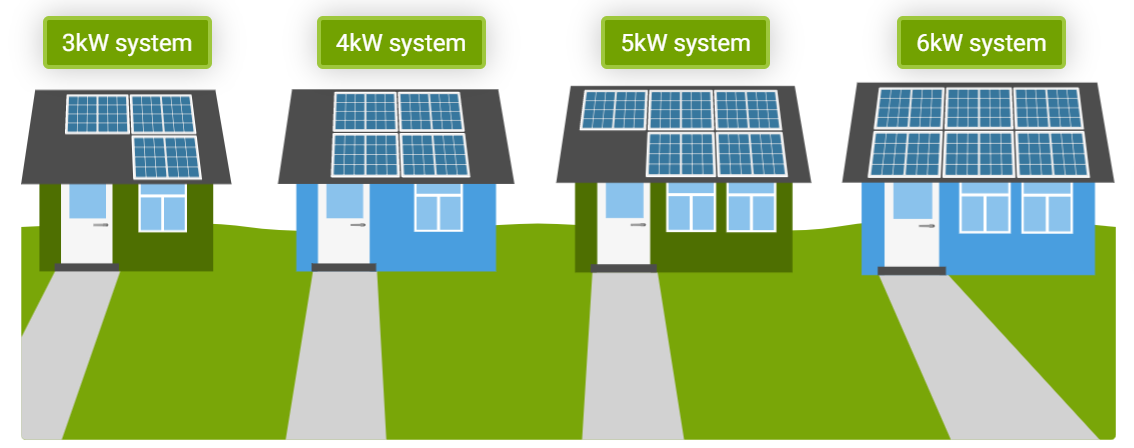
Generally, the more electricity your system can generate, the higher the initial installation cost will be. However, the savings will also be higher in the long run. For example, a 3kW solar panel system will be cheaper to install, but you will not be able to save as much as you could with a 6kW system.
Rooftop solar panels are not all created from the same material and therefore have different efficiency ratings, costs and related benefits.
What are the costs to install Solar Panels?
There are number of factors which you would need to consider when deciding the best options specific to your home or business needs. This would typically include amount of initial investment required for the solar panels installation, post installation maintenance costs and total energy savings over the life of the solar panels and solar batteries.
The cost of installing solar panels for your specific home or business will depend on the following factors:
1. System Size
Solar panels come in various sizes and the right size would depend on the size of home and individual electricity consumption requirements. Simply put, the larger the solar panel system is, the higher is the installation cost. An average system size of 6kW would cost more than 3kW to install. It’s also important to note that generally, the price per kW decreases the larger your system size is.
2. Type of Panels
The three most common types of solar panels used for domestic purposes are monocrystalline, polycrystalline, and thin-film solar panels. Monocrystalline panels have the highest efficiency, but it also comes at a higher cost. If you’re looking to go with affordability, then polycrystalline may be the right type for you.
3. Installation Process
Another factor that affects the cost of solar panels is the ease of installation. It is possible to either install the solar panels yourself or to hire a solar panel professional. When installing it yourself, you have to take into account the number of panels, the angling of the panels and the strength of the roof.
However, despite being possible to do the installation yourself, you would still need to hire a professional to certify your solar panel system if you would like to benefit from the Net Metering to earn money when you send energy back to the grid.
4. Additional Components to the System
If you’re looking to install additional components while installing the solar panels, this will increase your cost of equipment but can decrease the installation costs. Whether you’re planning to install a solar battery storage system or additional features like pigeon proofing your panels, it is best to club them with installing the panels, so that you can decrease the installation cost.
5. Location and Labour Costs
The price of installing solar panels will usually include labour costs, however, this will change based on the location and amount of work required. This can be higher or lower based on your location, the property size and overall amount of labour house required to complete the job.
What are the types of Solar Panels available in the market?
1. Monocrystalline solar panels
Monocrystalline solar panels are made from one silicon piece and are known for being the most efficient solar panel material on the market. As such, they are also the most expensive. However, large solar panels made from this material will perform better in low sunlight levels than polycrystalline panels. Because of their design and construction, they are also particularly efficient at higher temperatures. These are the most efficient solar panels for home applications. Being the most efficient, they are very likely to be the most expensive. These solar panels have a longer lifespan compared to polycrystalline and thin-film panels.
2. Polycrystalline solar panels
Polycrystalline solar panels are made when several pieces of silicon are melted together. These are easier to create, which makes them less expensive. While less effective at saving space, these panels still operate with 13-16% efficiency. The polycrystalline panels are the most popular panels that homeowners install. They are less expensive yet still very still efficient.
3. Thin-film solar panels
Thin-film solar panels are another popular option that requires even less material. These panels are the cheapest to manufacture, but they also have low energy efficiency, requiring the most space. When evaluating commercial solar panel efficiency, the business should remember to examine the materials used in the solar panels.
How Long Do Solar Panels Take to Pay for Themselves?
Depending on the size of your solar panel system and the export tariff, your solar panels can be paid off after 15-25 years. A larger system is more expensive, but it can generate more electricity and, therefore, can bring you more savings in the long-run. A 5kW solar panel system can break even after 15-20 years, while a 3kW system can take 21-25 years to break even. To protect the lifespan of your panels, ensure you always adhere to solar panel maintenance and cleaning tips.
Do Solar Batteries Affect the Installation Costs?
Adding a solar battery storage system will inevitably increase the overall costs of your solar panel investment, but it can also mean that you get even more out of your solar panels by using stored electricity when the sun has gone down or during the power blackout. The average prices for batteries can vary depending on the battery type, lifespan, and quality. So, if you want to include a storage solution be prepared to pay more up-front.